No items found.


I’m going to skip over the ‘consistent practice’, ‘use references,’ and ‘experiment as much as you can’ parts because I think they’re pretty self-explanatory🙈

Learning to confront and overcome fight my fears: A lot of my anxiety and insecurities stem from some kind of fear. As an artist, my main ones are the fear of not being good enough, the fear of not being unique enough, and the fear of being copied. I wish I could say there was this epic showdown and now I’ve defeated all these demons, but it’s not like that. Everyday is a battle with the same old and new enemies. Ultimately, fear stops me from growing and becoming better, not just in art, but in life. But when I choose to deal with my fears, instead of finding ways around them, I can level up while becoming more confident in the fact that
The most original thing is me! One of my favourite writers C.S. Lewis once said, “Even in…art, no [person] who bothers about originality will ever be original: whereas if you simply try to tell the truth…you will, nine times out of ten, become original without ever having noticed it.” The way I’ve applied this in the context of developing an art style is (1) being myself, and (2) focusing on what I want to do with art. For me, art is ultimately a tool that’s an extension of who I am, but it’s not who I am. So although this may sound counterproductive, I don’t put everything into finding an art style because I believe that intuition, intention and integrity are more important. By understanding my values, what I like/dislike and why, this helps me to
Figure out my art process and grow with it. Seeing what other people do, how they discipline themselves and develop their work can be helpful and inspiring, but it can also be discouraging at times. Instead of comparing myself to others and looking at my shortcomings or limitations as disadvantages, I try to think more along the lines of: what do I enjoy and why, what are my healthy habits, what keeps me motivated, and how do I learn best? Then I take what I know about myself and make my art work with it, not against it. That being said, it’s just as important for me to acknowledge the areas that I want to change and improve on. Anyway, I do have a few more practical methods for developing an art style like
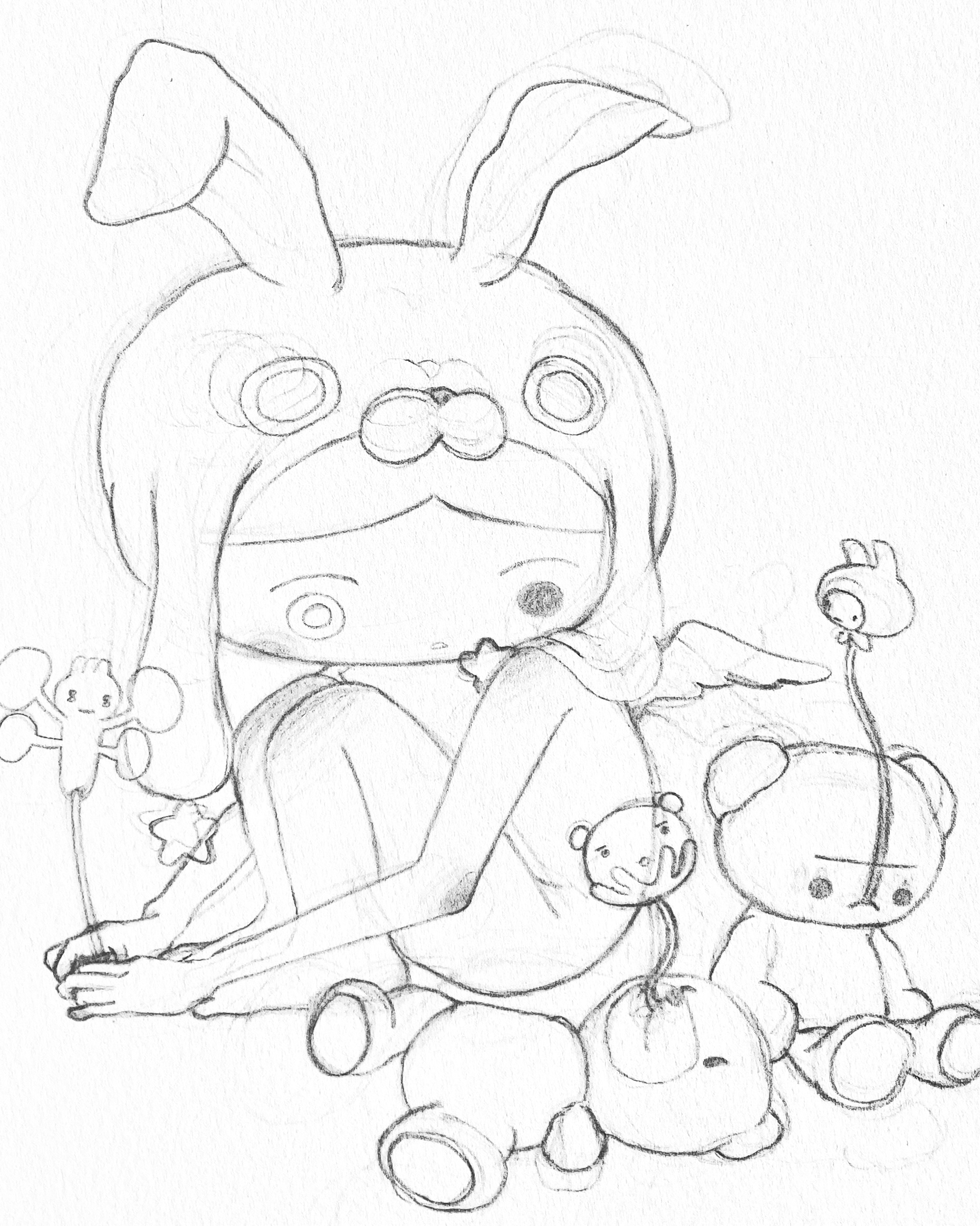
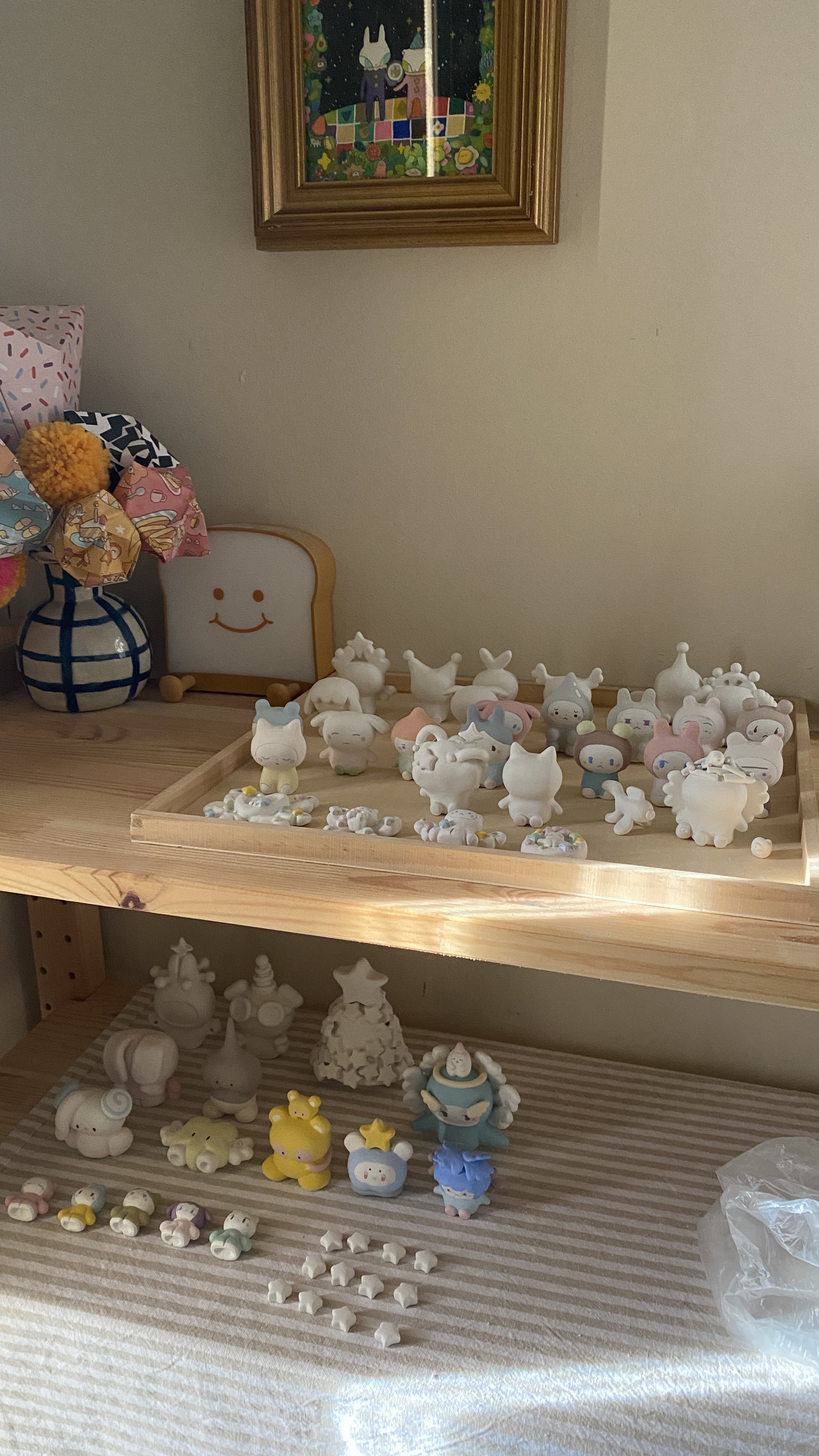
Researching, forgetting, remembering… If something makes an impact on me, like another artist’s work, a brand, or even a tree, I let myself become obsessed with it. I’ll visually absorb and analyse all I can. I’ll gather all the info that’s out there like a detective working a case. Then, I’ll just go back to regular life: I’ll pick up my other hobbies, hang out with friends, and eventually move on and forget about it. Until one day, without referencing anything, I’ll try to recreate the thing I’d been obsessing over, but purely based on memory. This helps me see what elements actually made the deepest impression on me. By testing myself like this, I can naturally develop an art style of my own because of how my mind has interpreted and remembered it, and it makes me use more of my imagination too. Another method I often practise for developing art style is to create when I’m
Bored, angry, sad, happy…basically, I do art in all moods. C.S. Lewis also said, "In each of my friends there is something that only some other friend can fully bring out. By myself I am not large enough to call the whole [person] into activity." Again, in the context of developing an art style, every mood brings out particular qualities in me that wouldn’t appear as much or at all otherwise, and if art is a reflection of myself, then my work’s going to look different depending on how I feel. My linework might be more loose when I’m sad, or my colours might be more vivid when I’m angry, etc. While I do this, I’m simultaneously psychoanalysing myself, my abilities, and building muscle memory. This way, I can use this style/technique more intentionally later on. However, this method only works if
I genuinely enjoy creating art. Having fun is so important. Even in everyday life, I’ve realised when I’m actually having fun, that in itself becomes the reward, and it scares away all my fears. In art, if I genuinely had so much fun working on a piece, whether the reception is positive or not, it doesn’t affect me at all. I can look at the feedback from family, friends, or social media objectively like, “Oh people like this,” or “Oh, people don’t like this,” shrug my shoulders, and go on with my life without giving it another thought. It’s not because I don’t care about what others think, it’s because I’m already fulfilled. So then art isn’t about seeking validation anymore (whether I’m aware of it or not), it can be something as simple as
Sharing it with others. A lot of the time, not all the time, but a lot of the time, I feel like I learn and grow more from saying a thought out loud to someone. And I think it’s the same way when it comes to sharing art. After building enough understanding and confidence in myself, for me the next step to developing an art style is letting go of my pride and releasing my work, even at the risk of my feelings getting hurt. If I can show my art to another living human being, regardless of their reaction, it creates some sort of connection with the world around me. It makes my feelings and the art that I’m creating feel more real.